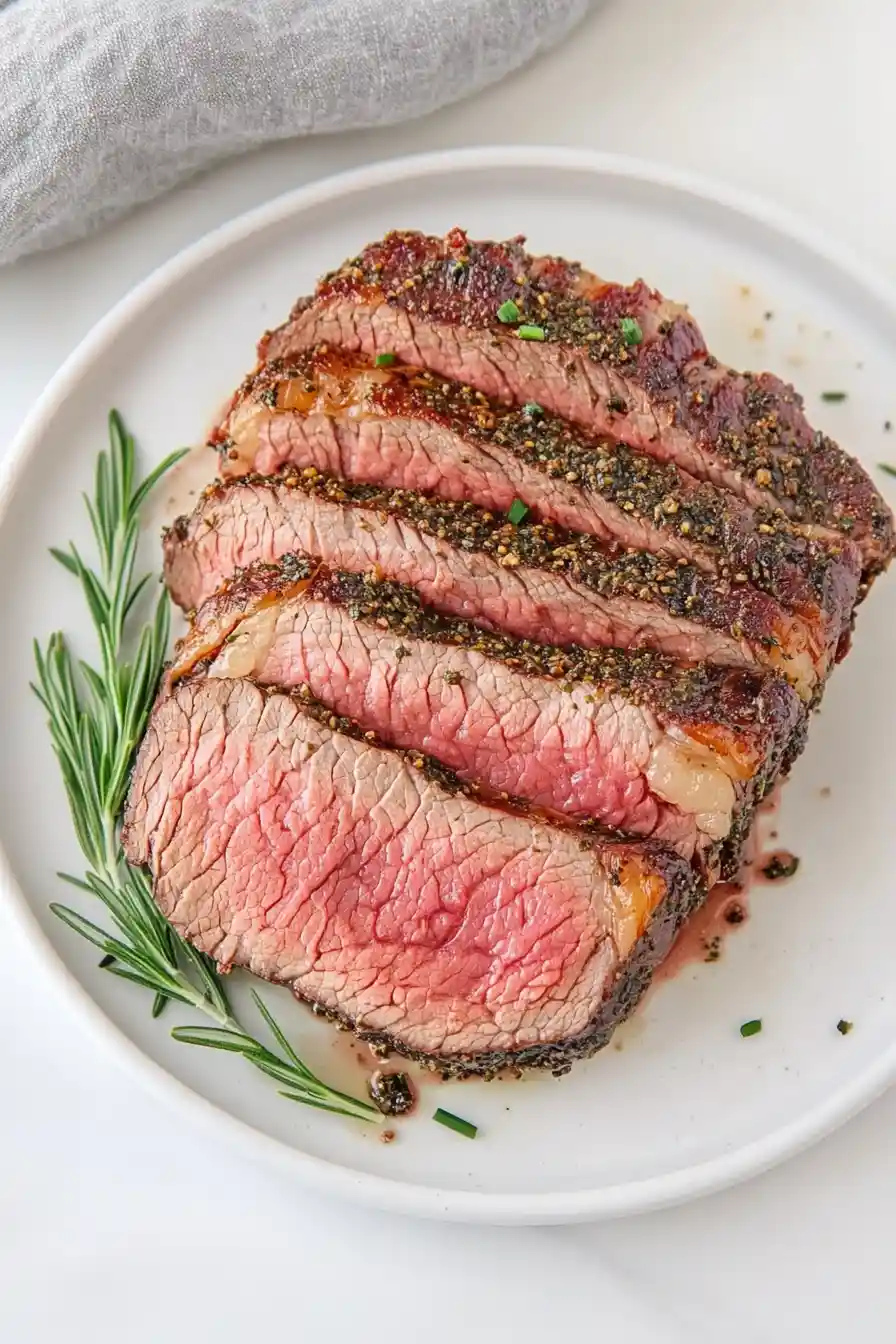
Elevate your culinary game and impress your guests with a show-stopping center-piece: the magnificent New York Strip Roast. Renowned for its unparalleled tenderness, rich flavor, and satisfying juiciness, this premium cut of beef is the secret weapon for any special occasion or grand family meal. While often associated with fine dining, preparing a perfect New York Strip Roast at home is entirely achievable with the right knowledge and techniques. Get ready to unlock the prime flavor secrets that will transform your kitchen into a gourmet haven.
Understanding the Allure of the New York Strip Roast
Before we delve into the preparation, it's essential to understand what makes the New York Strip Roast such a coveted cut. This substantial piece of beef originates from the short loin section of the cow, specifically located behind the ribs in the center back. Unlike muscles that see a lot of activity, the short loin is relatively unused, contributing to the exceptional tenderness of this roast. When portioned into individual steaks, you get the popular New York strip steaks; when left whole, it forms a spectacular roast perfect for feeding a crowd.
What truly sets the New York Strip Roast apart is its inherent balance of characteristics. It boasts excellent intramuscular fat, known as marbling, which melts during cooking, infusing the meat with incredible moisture and a deep, beefy flavor. A protective fat cap typically adorns one side, offering further succulence and browning potential when rendered properly. This combination makes it incredibly versatile, suitable for various cooking methods that promise a tender, juicy, and flavor-packed result.
Selecting the Perfect New York Strip Roast
The journey to a truly unforgettable New York Strip Roast begins at the butcher counter. Choosing the right cut is paramount to ensuring optimal flavor and texture. Here’s what to look for:
Understanding Beef Grades
Beef grading is a quality assessment that significantly impacts your roast's outcome. The most common grades you'll encounter are:
- Prime: This is the highest grade, characterized by abundant marbling and exceptional tenderness. Prime beef guarantees a luxurious dining experience, perfect for a special occasion roast.
- Choice: A very high-quality grade, Choice beef offers a good balance of tenderness and flavor with slightly less marbling than Prime. It’s an excellent, more readily available option for a delicious New York Strip Roast.
- Select: Leaner than Prime or Choice, Select beef has less marbling, which can result in a slightly less tender and flavorful roast. While still good, it's generally not recommended for a premium roast like the strip.
For your New York Strip Roast, always aim for Prime or Choice grade. These will consistently deliver the rich flavor and tender texture you desire. Beyond grading, observe the cut itself. Look for a roast that is at least 1.5 inches thick and displays even, fine streaks of white marbling throughout the lean muscle. This fat distribution is crucial for keeping the meat moist and flavorful during the cooking process.
Preparing Your Strip Roast for Prime Flavor
Once you’ve selected your magnificent cut, proper preparation is key to unlocking its full potential. These steps ensure your New York Strip Roast cooks evenly, stays incredibly juicy, and develops a magnificent crust.
Trimming and Tying for Even Cooking
- Trim the Fat: While the fat cap is vital for flavor, an excessively thick layer can prevent a good crust from forming and make the roast greasy. Use a sharp knife to carefully trim any overly thick sections, aiming to leave a uniform layer of about ⅛ to ¼ inch across the top. This thin layer will render beautifully, adding moisture and browning.
- Tie the Roast: If your butcher hasn't already done so, tying the roast with kitchen twine is a crucial step. This helps the meat maintain an even cylindrical shape, ensuring uniform cooking from end to end. Tightly tie the roast at 1-2 inch intervals. This simple technique prevents thinner sections from overcooking while thicker parts come to temperature, guaranteeing a consistently tender result.
Seasoning and Flavor Infusion
Seasoning isn't just about adding flavor; it's about enhancing the natural richness of the beef. For a New York Strip Roast: The Ultimate Entrée for Special Occasions, a generous hand with seasoning is recommended.
- Dry Brining: A highly recommended technique, dry brining involves liberally salting the roast and letting it rest uncovered in the refrigerator for at least 24 hours, or up to 3 days. The salt draws out moisture, which then reabsorbs, carrying the salt deeper into the meat, resulting in a more seasoned and incredibly juicy roast. This also helps to tenderize the meat and promote a better crust.
- Herb and Spice Rub: Beyond salt, create a robust seasoning blend. Freshly cracked black pepper is a must. Incorporate aromatic herbs like rosemary, thyme, and sage, along with garlic powder, onion powder, and a touch of paprika for color and depth. Rub this mixture generously all over the roast, pressing it into every crevice.
- Herb Butter Coating: For an extra layer of flavor and a beautiful golden crust, consider coating your roast in an herb butter. Combine softened unsalted butter with minced garlic, fresh chopped herbs (like parsley, chives, rosemary, thyme), and a pinch of salt and pepper. Spread this mixture evenly over the entire surface of the roast just before cooking.
Mastering the Art of Cooking Your New York Strip Roast
The cooking method you choose can significantly impact the final texture and juiciness of your New York Strip Roast. One of the most acclaimed techniques for large roasts is the reverse sear.
The Reverse Sear Method: Perfection Achieved
The reverse sear method, as championed by many professional chefs, involves cooking the roast slowly at a low temperature first, followed by a quick sear at high heat. This technique is ideal for larger cuts like a Mastering the New York Strip Roast: A Guide to Tender Perfection for several reasons:
- Even Cooking: Low and slow cooking ensures the internal temperature rises gradually and evenly, minimizing the grey band often seen in traditionally seared roasts.
- Tender Texture: The gentle heat allows enzymes in the meat to break down connective tissues, resulting in an exceptionally tender roast.
- Superior Crust: After the slow roast, the meat's surface is dry, making it perfectly primed for developing a dark, flavorful, and crispy crust during the final high-heat sear.
To execute a reverse sear, preheat your oven to a low temperature (e.g., 225-275°F / 107-135°C). Place the seasoned New York Strip Roast on a rack set over a baking sheet and cook until it reaches about 10-15 degrees below your desired final internal temperature (e.g., 115-120°F for medium-rare). This can take several hours depending on the roast's size. Once it reaches this point, remove it from the oven, tent loosely with foil, and let it rest for 20-30 minutes. While it rests, crank your oven or a cast-iron skillet to its highest setting. Sear the roast on all sides for just a few minutes until a beautiful, deeply browned crust forms. Alternatively, you can finish it on a hot grill for a smoky char.
Crucial Final Steps: Temperature and Resting
- Use a Meat Thermometer: This is non-negotiable. An accurate probe thermometer inserted into the thickest part of the roast (avoiding bone or fat) is your best friend. Target temperatures for doneness:
- Rare: 120-125°F (finish searing at 110-115°F)
- Medium-Rare: 130-135°F (finish searing at 120-125°F)
- Medium: 135-140°F (finish searing at 125-130°F)
- Resting is Essential: After searing, transfer the roast to a cutting board, tent it loosely with foil, and let it rest for at least 15-30 minutes. This critical step allows the juices, which have been pushed to the center by the heat, to redistribute throughout the meat. Cutting too early will result in a dry roast and a puddle of delicious juices on your cutting board.
The New York Strip Roast is more than just a meal; it's an experience. Its inherent quality, combined with thoughtful preparation and precise cooking techniques, guarantees a tender, juicy, and flavor-rich entrée that will leave a lasting impression. From choosing the right grade of beef to mastering the reverse sear and the crucial resting period, each step contributes to the prime flavor secrets that make this roast truly special. Whether you're hosting a grand celebration or simply craving an exceptional meal, preparing a New York Strip Roast is a culinary endeavor that promises rewarding results and delicious leftovers for days to come.