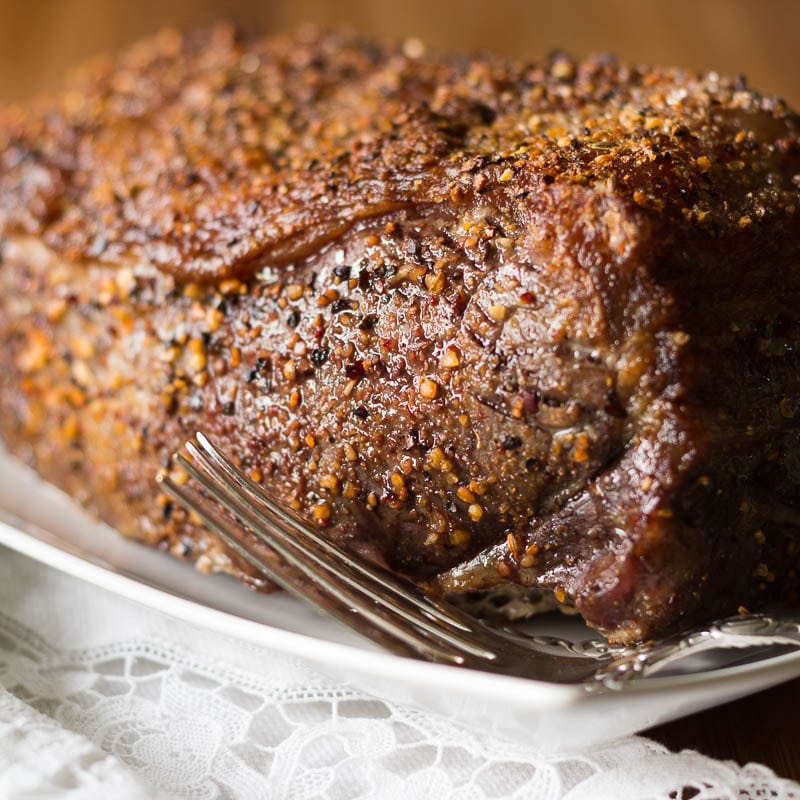
There are meals that nourish, and then there are meals that celebrate. For those truly special occasions – be it a festive holiday gathering, a milestone anniversary, or simply an intimate dinner where you want to utterly impress – few entrées can rival the grandeur and gourmet appeal of a perfectly prepared New York Strip Roast. Renowned for its rich flavor profile, exquisite tenderness, and undeniable presence on the carving board, this magnificent cut of beef transforms any meal into an unforgettable culinary experience.
Often considered the king of roasts for entertaining, the New York Strip Roast promises a dish that is not only incredibly satisfying but also surprisingly versatile to master. Forget the intimidation; with the right approach, you can create a centerpiece that will have your friends and family raving about its tender, juicy perfection and deeply flavorful crust. This isn't just a meal; it's a statement.
The Allure of the New York Strip Roast: Why It Reigns Supreme
What exactly is it about the New York Strip Roast that elevates it to such culinary prestige? This impressive cut originates from the short loin section of the cow, specifically located behind the ribs in the center back. It's a muscle that isn't overly used, which is the primary secret to its inherent tenderness. Unlike muscles that bear significant weight or are constantly in motion, the short loin remains relatively relaxed, resulting in wonderfully soft muscle fibers that yield a melt-in-your-mouth texture.
When this large, boneless cut is left whole, it becomes a roast. Slice it into individual portions, and you have the beloved New York Strip Steak. But as a roast, its characteristics truly shine. It boasts a good amount of intramuscular fat, known as marbling, which weaves through the meat like delicate white veins. This marbling is crucial; it renders down during cooking, basting the meat from within, contributing to its incredible juiciness and amplifying its rich, beefy flavor. Furthermore, a natural fat cap often adorns the top, offering another layer of flavor and protection during the roasting process.
The combination of minimal muscle activity, generous marbling, and a protective fat cap makes the New York Strip Roast an ideal candidate for methods like reverse searing, which results in a perfectly even cook from edge to edge with a beautiful, caramelized crust. Its robust flavor allows it to stand proudly on its own, yet it also provides a magnificent canvas for a myriad of seasonings, herbs, and sauces, allowing for endless customization to suit your palate.
The Art of Selection: Choosing Your Perfect Roast
The journey to an ultimate New York Strip Roast begins long before you even preheat your oven. Choosing the right cut is paramount, setting the foundation for success. When you're at the butcher or grocery store, keep these essential factors in mind:
- Source and Cut Specifics: Confirm you're looking at a boneless New York Strip Roast, typically from the short loin. A good roast should be at least 1.5 inches thick, but often comes in larger, more substantial sizes suitable for a crowd.
- Marbling is Key: As mentioned, marbling is your best friend. Look for a cut with an even distribution of fine white streaks of fat throughout the red muscle. This is the hallmark of flavor and juiciness. Less marbling can lead to a drier, less flavorful roast.
- Beef Grades: Understanding beef grades is crucial for quality assurance. The most common grades are:
- Prime: The highest grade, representing exceptional tenderness, juiciness, and flavor due to abundant marbling. This is what you'll find in high-end restaurants.
- Choice: A very high-quality grade, still offering a good balance of tenderness and flavor, though with slightly less marbling than Prime. Excellent for most special occasions.
- Select: A leaner grade with less marbling, often resulting in a slightly less tender and flavorful experience. While still good, it's not ideal for a show-stopping roast.
- Visual Inspection: Beyond grading, look for meat that is bright cherry-red in color (not brownish or dull), with fat that is firm and white, not yellow or crumbly.
For more detailed guidance on selecting the optimal cut and unlocking its inherent potential, explore our guide on Choose & Prepare Your Strip Roast: Prime Flavor Secrets.
Preparing Your Roast for Unforgettable Flavor and Texture
Once you’ve selected your magnificent New York Strip Roast, proper preparation is the next critical step to ensure a truly tender, juicy, and flavorful outcome. These preparatory stages aren't just about cooking; they're about enhancing the meat's natural attributes.
- Bring to Room Temperature: Before you begin any other prep, remove the roast from the refrigerator at least 1-2 hours before cooking. Allowing it to come closer to room temperature promotes more even cooking throughout the roast.
- Trimming the Fat: Your roast will likely have a thick layer of fat on one side. While some fat is good for flavor and moisture, an excessive amount can prevent a good crust and make the meat overly greasy. Using a sharp knife, carefully trim away any thick, tough layers of fat, leaving about a thin 1/4-inch layer. This thin layer will render beautifully, basting the meat and contributing to a delectable crust without overwhelming it.
- Seasoning: The Power of Dry-Brining: Seasoning is non-negotiable. A simple yet incredibly effective method is dry-brining. Apply a generous, even coating of coarse salt (like kosher salt) all over the roast, along with freshly ground black pepper and any other herbs and spices you prefer (garlic powder, onion powder, paprika, or a blend like Montreal Steak Seasoning work wonderfully).
The magic of dry-brining lies in its process: the salt first draws moisture out of the meat, then dissolves in that moisture, creating a concentrated brine. This brine is then reabsorbed into the meat, deeply seasoning it and breaking down muscle fibers, leading to incredible tenderness and juiciness. For best results, dry-brine the roast uncovered in the refrigerator for 24 to 48 hours. This also helps dry the exterior, which is key for a fantastic sear.
- Tying the Roast (If Needed): If your roast isn't already neatly tied by the butcher, it's a good idea to do so with kitchen twine. Tying helps maintain a uniform shape, ensuring that the roast cooks evenly and doesn't splay apart during the process. Aim for ties every 1.5 to 2 inches along the length of the roast, securing it snugly but not overly tight. This also contributes to a more appealing presentation.
Mastering the Cook: From Reverse Sear to Sizzling Perfection
With your New York Strip Roast perfectly prepped, it's time for the culinary magic to happen. While there are various methods, the reverse sear technique is widely lauded for achieving unparalleled tenderness, juiciness, and a perfect crust on large cuts like this.
- The Reverse Sear Approach: This method involves cooking the roast slowly at a low temperature first, allowing the internal temperature to rise gently and evenly throughout. This process prevents the outer edges from overcooking while the center catches up. Once the desired internal temperature (typically about 10-15 degrees below your final target doneness) is reached, you then blast it with high heat to create a magnificent, flavorful crust.
- Low and Slow Roasting: Preheat your oven to a low temperature, typically between 225°F and 275°F (107°C-135°C). Place the tied and seasoned roast on a rack set inside a baking sheet. Insert a reliable leave-in meat thermometer into the thickest part of the roast, avoiding bone or fat. Roast until the internal temperature reaches approximately 120°F (49°C) for medium-rare, or 125°F (52°C) for medium. This could take 1.5 to 3 hours, depending on the roast's size and oven consistency.
- The High-Heat Sear: Once your roast reaches the target low-temperature internal reading, remove it from the oven and tent it loosely with foil while you crank up your oven to its highest setting (around 450°F-500°F or 232°C-260°C). Alternatively, you can achieve a spectacular sear in a screaming hot cast iron pan with a touch of high-smoke-point oil. Return the roast to the super-hot oven or sear on the stovetop for 10-15 minutes, or until a deep, crusty brown develops on all sides. This final burst of heat locks in juices and creates that irresistible exterior.
- Elevating with Herb Butter: For an extra layer of gourmet flavor, consider basting the roast with an herb butter. Combine softened butter with minced garlic, fresh rosemary, thyme, and a pinch of salt. During the last 5-10 minutes of the high-heat sear, generously spread this herb butter over the roast. As it melts and sizzles, it infuses the crust with aromatic richness.
- The All-Important Rest: This step cannot be overstated. Once your roast reaches its final desired internal temperature (e.g., 130-135°F / 54-57°C for medium-rare), remove it from the oven and transfer it to a carving board. Tent it loosely with foil and let it rest for at least 15-20 minutes, or even up to 30 minutes for a larger roast. Resting allows the internal juices, which have been driven to the center during cooking, to redistribute throughout the meat. Skip this, and all those precious juices will spill out when you slice, leaving you with a drier roast.
- Carving Perfection: Once rested, carve your New York Strip Roast against the grain into thick, even slices. This ensures maximum tenderness in every bite.
For a deeper dive into techniques and specific temperature guidelines to ensure absolute perfection, consult our detailed guide: Mastering the New York Strip Roast: A Guide to Tender Perfection.
Serving this exquisite roast with complementary sides like creamy mashed potatoes, roasted asparagus, or a vibrant salad completes the special occasion tableau. And don't forget the joy of leftovers – a cold New York Strip Roast sandwich the next day is a culinary treat in itself!
Conclusion
The New York Strip Roast truly stands as the ultimate entrée for special occasions. From its inherently tender muscle structure and generous marbling to the transformative power of dry-brining and reverse searing, every step contributes to a dish of unparalleled flavor and texture. While the prospect might seem daunting at first, following these steps will empower you to create a culinary masterpiece that is tender, juicy, and bursting with rich beefy flavor. Prepare to captivate your guests and indulge in a dining experience that is as memorable as the occasion itself. This is more than just a meal; it's a testament to culinary passion and the joy of sharing exceptional food.